Do you have a healthy bladder? Let’s find out! “Normal” bladder function, urinary incontinence, risk factors for urinary incontinence, healthy bladder habits, urge suppression techniques, eliminating nighttime trips to the bathroom, and pelvic floor stretches are discussed.
Normal bladder function:
-
Urinating every 2-4 hours or 6-8 times per day
-
Sleeping through the night without waking up to pee, if you do wake to pee you have enough time to find the bathroom
-
Doesn’t leak urine
-
Older adults: the bladder’s capacity to hold urine decreases as you age
-
Urinating every 2 hours
-
Waking up 0-2 times per night to urinate
-
Pregnant women: due to the growing uterus and baby, the need to urinate increases when you are pregnant. Uterus sits right next to the bladder and as it grows, there is less room for the bladder to expand with an increased urge and frequency to urinate.
4 different types of urinary incontinence:
-
Stress urinary incontinence: loss of urine with activities that increase intra-abdominal pressure, such as coughing, sneezing, laughing, or exercising
-
Urge urinary incontinence: loss of urine when you get the urge to urinate, but you can’t make it to the bathroom in time
-
Mixed urinary incontinence: a combination of stress and urge incontinence
-
Functional urinary incontinence: loss of urine due to the inability to make it to the bathroom (inability to walk, get out of bed, take the stairs, etc)
Risk factors for urinary incontinence:
-
Pregnancy and childbirth
-
Older age (menopause)
-
Chronic coughing, sneezing, or heavy lifting
-
Surgery to the pelvic floor or abdomen
-
Obesity
-
Diabetes
-
Drinking or eating bladder irritants:
-
Caffeine
-
Acidic beverages or food
-
Alcohol
-
Carbonated beverages
-
Spicy foods
Healthy bladder Habits:
-
Take your time. Never push or strain to pee. Focus on relaxing your pelvic floor muscles.
-
Never hover! Your pelvic floor muscles can’t fully relax if you hover. Place toilet paper on the toilet seat and then sit down.
-
Don’t use the bathroom “just in case” and avoid going more often than every 2 hours. Your bladder gets the first urge to go when it is only about halfway filled, sending you the false signal you have to urinate.
-
Avoid or reduce bladder irritants: caffeine, acidic beverages, alcohol, carbonation
-
Drink half your body weight in ounces of water. Your urine should be nearly clear (straw-colored). You shouldn’t reduce the amount of water you drink in hopes that you will urinate less often. Concentrated urine irritates the lining of the bladder which can increase urgency and frequency.
-
Don’t drink all your water at once! Water intake should be spread out throughout the day.
Urge suppression techniques:
-
Stop and try to maintain control of your body, don’t let your bladder control you. Perform diaphragmatic breathing exercises (inhale through the nose, exhale through the mouth).
-
Relax and visualize anything else but the need to use the bathroom.
-
Distract your mind by counting backward from 100 by 7s, say the alphabet backward or stay busy in the activity you are already doing.
-
Perform 10 quick pelvic floor muscle contractions to send the signal to your bladder it is not time to go.
Eliminate nighttime trips to the bathroom:
Whether you’re sleeping or awake, your kidneys are constantly filtering urine into your bladder.
-
Limit fluid intake 2 hours before bedtime.
-
Limit bladder irritants with your dinner.
-
Lie down on your back with your feet elevated on a wall (should be above the level of the heart) to drain the fluid from your extremities back to the kidneys. Next, perform these movements:
-
Ankle circles x 20 reps
-
Ankle pumps x 20 reps
-
Leg lifts away from the wall x 20 reps
-
-
Go to the bathroom right before bedtime.
Stretches to relieve pelvic floor muscle tension:
-
Figure 4 stretch
-
Pigeon pose
-
Wide leg child’s pose
-
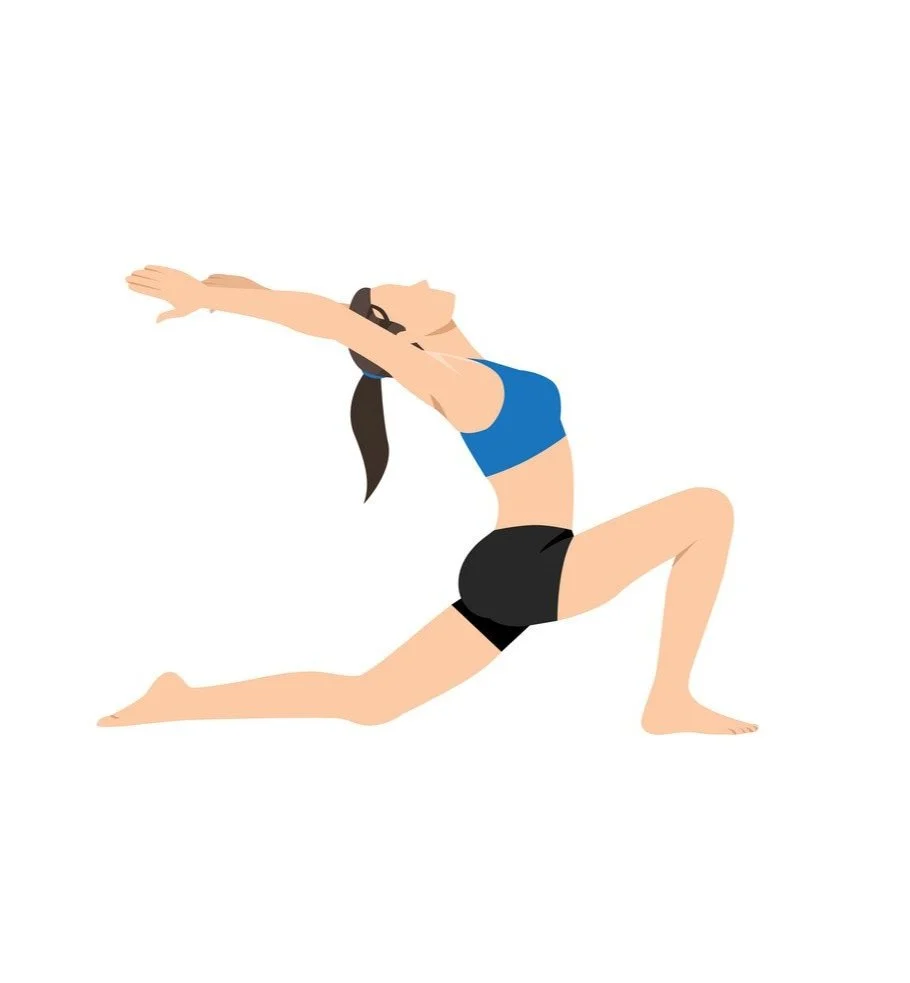
Lunge with overhead reach
-
Butterfly stretch