Pelvic Floor Health Impacts Performance
The pelvic floor is a group of muscles located at the base of the pelvis, playing a crucial role in supporting the bladder, uterus, and rectum. It is intricately linked to core stability and overall bodily function. Despite its importance, pelvic floor health is often overlooked, particularly in athletic populations such as gymnasts, dancers, and cheerleaders. Understanding the implications of pelvic floor health on performance is essential for both athletes and coaches, as it can significantly influence physical capabilities, mental focus, and overall well-being.
The Role of the Pelvic Floor
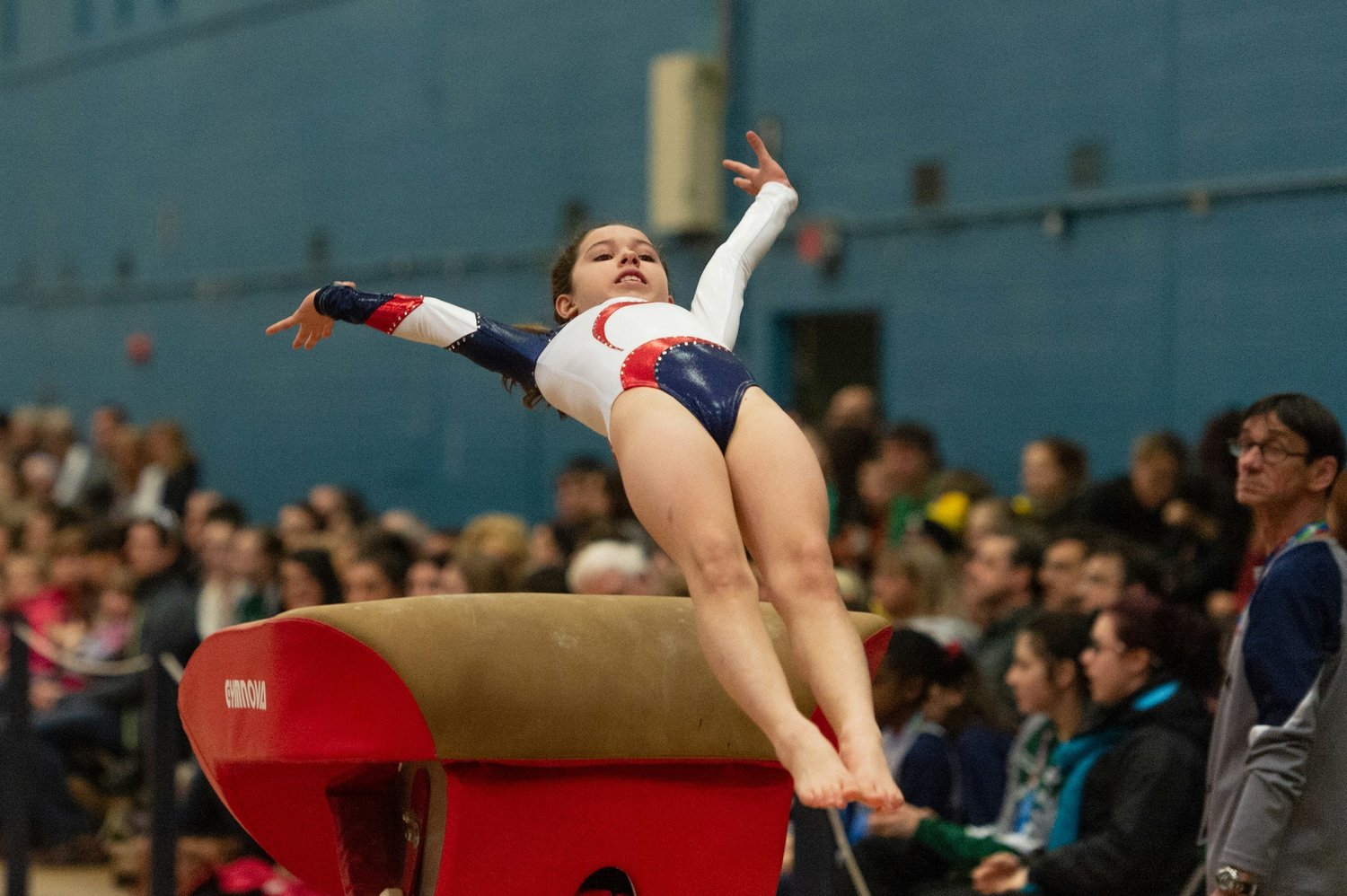
The pelvic floor muscles are responsible for several critical functions, including the maintenance of continence, support during physical activity, and facilitation of intimate relationships and childbirth. For athletes, these muscles must contract and relax efficiently, much like any other muscle group in the body. When engaging in high-impact sports such as gymnastics, the pelvic floor is subjected to significant forces, especially during landings from jumps and flips. Studies indicate that gymnasts can experience ground reaction forces ranging from three to eighteen times their body weight upon landing. This extreme pressure necessitates a strong and responsive pelvic floor to absorb the impact and maintain stability.
Common Issues and Their Impact on Performance
Many athletes, particularly women, experience pelvic floor dysfunction, which can manifest as urinary leakage, pelvic pressure, or heaviness. Research suggests that 20% to 80% of athletes may experience some form of leakage during physical activity. This issue is particularly prevalent in sports involving jumping and tumbling, where the pelvic floor must effectively manage intra-abdominal pressure. When athletes are unable to control this pressure, it can lead to leakage or discomfort, which not only affects their physical performance but also their mental focus.
For a gymnast, the psychological impact of worrying about leakage during a routine can be profound. Concentration is paramount in gymnastics, where precision and skill are essential for success. If an athlete is preoccupied with the fear of leakage, it can detract from their ability to focus entirely on their performance. This distraction can lead to decreased performance quality and increase the risk of injury, as a lack of focus may result in improper technique or execution.
The Importance of Pelvic Floor Health in Athletic Training
Given the significant impact pelvic floor health has on performance, it is crucial for athletes and coaches to prioritize this aspect of fitness. Awareness and education about pelvic floor health can help in early identification of issues and promote preventive strategies. Pelvic floor physical therapy can be an effective intervention for athletes experiencing dysfunction. Such therapy focuses on strengthening and training the pelvic floor muscles, improving their ability to manage pressure during athletic activities.
In addition to physical therapy, integrating pelvic floor health into training regimens can enhance overall athletic performance. Exercises that promote pelvic floor awareness, such as core stabilization workouts, can be beneficial. By incorporating these practices, athletes can improve their pelvic floor function, leading to better control over intra-abdominal pressure and reduced incidence of leakage.
Conclusion
The health of the pelvic floor is a critical yet often neglected component of athletic performance. For gymnasts and other high-impact athletes, a strong pelvic floor is essential for managing the physical demands of their sport. Addressing pelvic floor health not only enhances physical performance but also supports mental focus and confidence. By prioritizing pelvic floor health through education, awareness, and targeted interventions, athletes can optimize their performance and reduce the risk of injury, ultimately leading to a more successful and fulfilling athletic career.